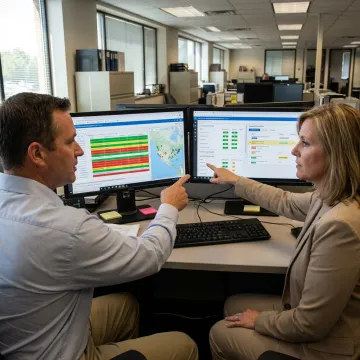
In dispatch, TMS stands for Transportation Management System. It is software that helps businesses plan shipments, assign carriers, optimize routes, track loads, manage documents, and monitor transportation costs. Instead of relying on spreadsheets, emails, and disconnected tools, dispatch teams use a TMS to centralize daily execution and improve visibility across parcel, LTL, FTL, and other shipping modes.
TMS software is a transportation management platform used to manage the movement of freight from planning through delivery and post-shipment review. Core functions often include routing, carrier selection, shipment tracking, compliance support, analytics, integrations with ERP or WMS systems, and freight audit capabilities. It helps businesses improve service levels while reducing manual work and transportation spend.
Who should use TMS dispatch software solutions?
TMS dispatch software is valuable for manufacturers, distributors, retailers, 3PLs, and any business managing recurring freight activity. It is especially useful for teams handling multiple carriers, shipping modes, or locations. Companies that want better shipment visibility, faster dispatch decisions, cleaner reporting, and tighter cost control typically benefit most from implementing a centralized transportation management platform.
What features should I look for in a TMS platform?
A strong TMS should include routing optimization, carrier management, real-time shipment visibility, reporting dashboards, audit support, and integrations with systems like ERP, WMS, and accounting platforms. Businesses with complex freight needs may also need claims management, compliance tools, benchmark analytics, and support for parcel, LTL, FTL, air, ocean, and rail within one connected environment.
Can TMS software integrate with my existing systems?
Yes, many TMS platforms are designed to integrate with existing business systems such as ERP, WMS, accounting, and order management tools. These integrations reduce duplicate data entry, improve reporting accuracy, and create a more connected workflow from order intake through invoicing. A good implementation plan should map data flows, user roles, and operational requirements before rollout begins.
How does TMS software help reduce freight costs?
TMS software reduces freight costs by improving routing decisions, comparing carrier options, identifying billing errors, and highlighting performance trends through analytics. It can also support contract benchmarking, post-shipment audits, and better mode selection. When dispatch teams have accurate data and automated workflows, they can avoid unnecessary spend, reduce service failures, and make more profitable transportation decisions over time.
How long does it take to implement a TMS solution?
Implementation timelines vary based on shipping complexity, number of users, required integrations, and whether the business needs process redesign. A simpler deployment may move quickly, while a multi-mode environment with ERP and WMS connections takes longer. The most successful projects include workflow review, data validation, user training, testing, and clear performance goals before the system goes live.
Is managed logistics support available with TMS software?
Yes, some providers pair TMS technology with managed logistics services for businesses that want operational support in addition to software. This can include shipment execution, tracking, reporting, audits, claims management, and carrier coordination. Combining software with experienced logistics oversight is often helpful for teams that need faster improvement without adding internal headcount or building new processes alone.