What are telehealth solutions for employees and employers?
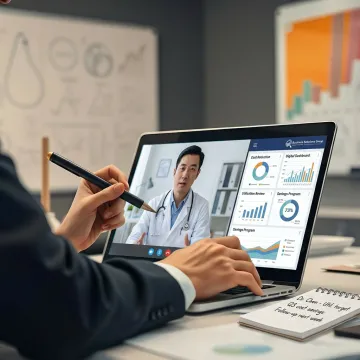
Telehealth solutions help employees access care or health guidance remotely through digital channels such as video, phone, or secure messaging. For employers, these solutions can support workforce productivity, benefits engagement, and cost management. A strong program should include access planning, employee communication, utilization reporting, and ongoing optimization so the benefit delivers measurable value.
How can telehealth benefit employees?
Employees often value telehealth because it can reduce travel time, waiting room delays, and scheduling friction for appropriate care needs. It may help them seek support sooner, manage minor issues more efficiently, and stay connected to health resources. When paired with clear communication, telehealth can improve benefit awareness and make care feel more accessible.
How can telehealth help employers control costs?
Telehealth can support cost control by guiding employees toward appropriate care settings, reducing unnecessary urgent care or emergency visits for suitable conditions, and improving early access to guidance. Employers also benefit from utilization and engagement data, which can reveal gaps, trends, and opportunities to adjust communications, vendors, or program structure over time.
What should employers consider before launching telehealth?
Employers should evaluate workforce demographics, current benefit utilization, employee communication channels, compliance needs, vendor capabilities, reporting access, and integration with existing health plans. The most effective programs are not just purchased; they are planned, communicated, measured, and optimized so employees understand when and how to use them.
Can telehealth be integrated with existing employee benefits?
Yes. Telehealth is commonly positioned alongside health plans, wellness resources, employee assistance programs, and care navigation tools. Integration should focus on reducing confusion for employees and improving reporting for employers. Clear workflows, benefit guides, and analytics make it easier to understand how telehealth fits into the broader benefits ecosystem.
How do you measure telehealth program success?
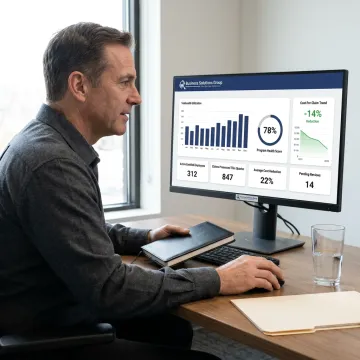
Success can be measured through utilization rates, employee engagement, repeat use, satisfaction indicators, avoided higher-cost care when applicable, and overall program cost trends. Employers should also review communication performance and workforce feedback. Business intelligence helps translate raw utilization data into practical decisions for improving program value.
Is telehealth appropriate for every medical situation?
No. Telehealth is useful for many routine, minor, follow-up, behavioral health, or triage-related needs, depending on the provider model. Emergencies, complex physical exams, and certain procedures require in-person care. A responsible program should help employees understand when virtual care is appropriate and when immediate in-person or emergency support is necessary.
How does Business Solutions Group support telehealth planning?
Business Solutions Group brings an optimization and advisory mindset to telehealth planning. Support may include reviewing objectives, identifying performance metrics, improving reporting visibility, evaluating cost-control opportunities, and helping employers align telehealth with broader business goals. The focus is practical strategy, transparency, and long-term program improvement.